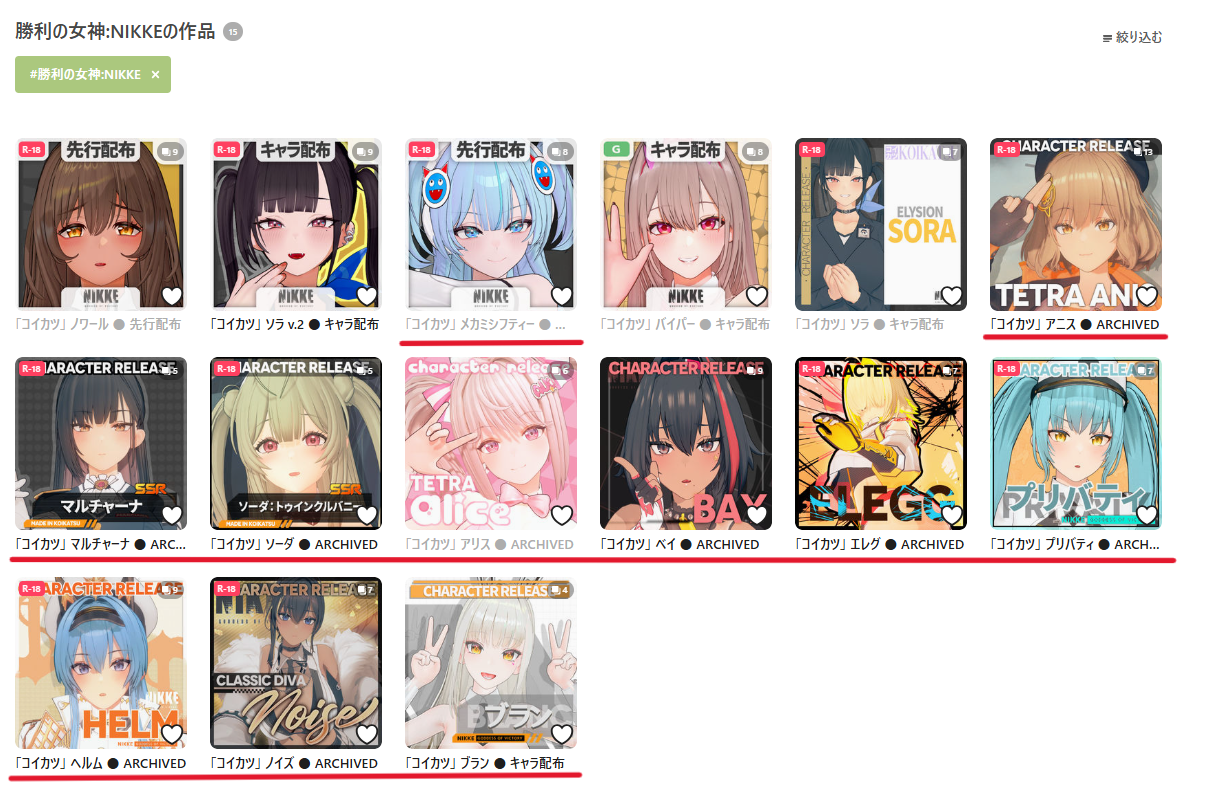
Incorrect, the only thieves are the Paywallers, when they make a character card while not having the rights to that IP and place it behind a paywall, at that point it is illegal/stolen goods, this website is simply sharing the cards / mods, without taking any direct fees for it.
If you attempt to even remotely categorize the two, please note that one of them has no honor as they are paywallers who sell character cards that they
legally have no rights (
Intellectual
Property)
to, if any publisher gets a wind of this, and find it as an issue for their business/brand, you can expect the paywallers to be the first to be taken to courts over it. You do not profit illegally from an IP that belongs to another business and expect that you would get away with it forever, one day the ball drops and then it starts.
Considering that there are more western business that are now interested in anime/anime-style games.
You can get paid for your skills, but if you try to get paid for an IP protected character card owned by someone else(A studio/publisher) by placing it behind a paywall, you are done, as laws change to appease big businesses/big corporations/IP holders, not these thieves, these kind of malpractices will actually help optimize the laws to specifically go after these sorts of individuals.
Though i find it odd how some paywallers are retards who think they actually can claim rights to a character card just because they "replicated" it,
- Recreating a copyrighted character does not automatically grant ownership over the original character or intellectual property (IP).
- In most jurisdictions, the rights to the character, design, and franchise remain with the original creator or rights holder, such as the artist, mangaka, studio, publisher, or game company.
- While someone may claim ownership over aspects of their specific recreation, card setup, or editing work, this does not transfer ownership of the original franchise character itself.
- Commercially distributing or paywalling derivative fan-made content may raise copyright or licensing concerns depending on local laws and the policies of the original IP holder.
- If a paywaller requires users to remain subscribed for extended periods before receiving content, customers are paying under the expectation that the promised service or access will eventually be provided.
- When users are later denied access, banned without transparent justification, or refused refunds after payment has already been taken, this may raise consumer protection, breach of contract, unfair business practice, or fraud-related concerns depending on the jurisdiction and circumstances involved.
- The situation becomes even more questionable when strict conditions are imposed — such as requiring months of subscriptions or older accounts — only for access to later be denied without clear evidence or fair explanation.
- Whether specific actions legally qualify as fraud or another offense would ultimately depend on evidence, intent, and the applicable laws of the relevant jurisdiction.
Well that became... a long one, rant clarification.


www.pixiv.net